
Finding the Best GLP-1 Booster Supplement South Africa Trusts for Metabolism
Dr. Chomba Chuma
MD & Founder, GutSlim
Discover how a natural GLP-1 booster supplement in South Africa can support your metabolic health. Click here to learn more about our science-backed approach.
Finding the Best GLP-1 Booster Supplement South Africa Trusts for Metabolism
As we navigate the complexities of modern metabolic health, many South Africans are looking for sustainable ways to support their wellness journey. Understanding how to influence your body's natural signaling systems, specifically the gut-brain axis, is becoming a focal point for those interested in long-term vitality. Finding the right GLP-1 booster supplement in South Africa involves looking beyond the hype and focusing on the underlying biological mechanisms that govern satiety and energy balance. By supporting the microbial environment within your digestive tract, you may assist your body in its natural hormone production, contributing to a more balanced metabolic state. This article explores the science behind natural hormonal support and how daily habits can foster a healthy gut landscape.
The Biological Role of GLP-1 in Metabolic Harmony
Glucagon-like peptide-1, or GLP-1, is a fascinating hormone produced primarily in the L-cells of the small intestine. Its role is essential for communicating with the brain to signal fullness and managing the way the body processes glucose after a meal. When your gut microbiome is diverse and thriving, it can effectively signal these hormonal pathways to function at their best. Research indicates that the composition of our gut bacteria is directly linked to the efficiency of these metabolic signals, which is why a foundational approach to health always begins with the gut.
The intestinal microbiome plays a pivotal role in the regulation of host metabolism through the production of bioactive metabolites that influence enteroendocrine cells. — Bäckhed et al., 2012, Cell Metabolism
Understanding the Gut-Brain Signaling Pathway
The L-cells in your intestine act as specialized sensors for the nutrients you consume. When these cells detect specific metabolites—often produced by beneficial gut flora—they release GLP-1 into the bloodstream. This hormone then travels to the brain to assist in regulating appetite and glucose homeostasis. By maintaining a robust population of healthy bacteria, you help ensure that your body’s internal signaling remains responsive and efficient.
How Hormonal Sensitivity Influences Daily Energy
When your hormonal signaling is optimized, you may find that your energy levels remain more consistent throughout the day. Rather than experiencing the common mid-afternoon energy slump, a balanced metabolic state helps in steadying the release of glucose. This biological harmony is often supported by the presence of a diverse internal ecosystem. You can read more about this relationship in our detailed guide on Probiotics That Support GLP-1 Production: A Guide to Metabolic Wellness for a deeper dive into the science of microbial synergy.
Sustainable Support Strategies
For those seeking a GLP-1 booster supplement in South Africa, it is vital to understand that the goal is not a quick fix but a supportive strategy. By providing the body with the right microbial strains and prebiotic fibers, you are essentially creating an environment where these hormones can thrive naturally. This is a subtle yet effective method to support your metabolic goals without the need for drastic interventions. Focus on consistency, as the gut microbiome responds best to long-term care rather than erratic, short-term changes.
Why Gut Health is the Foundation of Metabolic Support
Your digestive tract is home to trillions of bacteria, often referred to as the microbiome, which act like an internal command center. When this community is out of balance, it can negatively influence your cravings and your body's ability to maintain a steady weight. A high-quality GLP-1 booster supplement in South Africa should be designed to nurture these beneficial bacteria, allowing them to support your metabolic health from within. This is not about forcing a change, but rather about restoring the natural capacity of your gut to regulate hunger and energy storage.
The Connection Between Dysbiosis and Metabolism
Scientific evidence suggests that gut dysbiosis—an imbalance in the microbial community—is frequently associated with metabolic shifts, making it a critical area to focus on for anyone concerned with their weight management. When unfavorable bacteria dominate, they may interfere with the signals meant for your L-cells. By introducing targeted probiotics, you can help stabilize this internal ecosystem and tip the balance back in favor of beneficial microbes. Further insights into how specific microbial interventions might assist in managing these processes are available in our article on Natural Ways to Increase GLP-1 Hormone for Appetite Control & Weight Management.
Supporting Microbial Diversity
A diverse gut is a resilient gut. Eating a wide range of fermented foods and prebiotic-rich vegetables creates a varied terrain where multiple strains of beneficial bacteria can coexist. When you introduce a supplement, you are essentially providing "reinforcements" that support this diversity. Always ensure that you consult with a healthcare professional before starting any new supplement regimen to ensure it aligns with your specific health needs.
How Inflammation Affects Metabolic Signals
Chronic low-grade inflammation in the digestive tract can impair the ability of your gut to communicate with your brain. By focusing on anti-inflammatory dietary habits and targeted microbial support, you assist in soothing the gut lining. This environment is more conducive to the healthy production and reception of satiety hormones. Reducing systemic inflammation is often a byproduct of improved gut health, creating a positive feedback loop for your overall metabolic wellbeing.
Identifying Quality in a GLP-1 Booster Supplement in South Africa
With the market flooded with various health products, identifying a high-quality GLP-1 booster supplement in South Africa requires a discerning eye. Look for transparency in ingredient sourcing, clinical evidence behind the strains used, and a commitment to gut-specific health rather than generic promises. A credible brand will prioritize products that are formulated based on the latest research in microbiome diversity and metabolic support. You want to ensure the product has a clear focus on the gut-brain connection, as this is where the most meaningful progress is made.
Key Indicators of Product Integrity
When evaluating a potential supplement, consider the following checklist to ensure you are making an informed choice for your body:
- Check for specific, well-researched bacterial strains that have been studied for metabolic function.
- Verify if the product includes prebiotic fibers, which act as food for the healthy bacteria you are aiming to increase.
- Ensure the company provides clear instructions on how to incorporate the supplement into a balanced lifestyle.
- Look for clinical documentation or references from trusted medical bodies, such as those found at https://pubmed.ncbi.nlm.nih.gov/30683935/ regarding gut-microbiome interactions.
- Confirm the product is shelf-stable and maintains potency throughout its lifecycle, which is crucial in the South African climate.
Why Strain Specificity Matters
Not all probiotics are created equal. Different strains of bacteria perform different tasks; for metabolic support, you want strains specifically identified for their interaction with enteroendocrine cells. A premium product will list the exact genus, species, and strain of the bacteria used. This level of transparency indicates a brand that values scientific precision. Avoid products that use generic, proprietary blends that do not specify the exact composition of the bacteria included.
Considering Local Manufacturing Standards
In South Africa, the regulatory environment for supplements emphasizes safety and quality control. When searching for a GLP-1 booster, prioritize brands that follow Good Manufacturing Practices (GMP). These standards ensure that what is listed on the label is exactly what is inside the bottle. Local sourcing and production can also contribute to a smaller carbon footprint while ensuring that the product is suited to regional logistical needs, such as temperature-controlled storage.
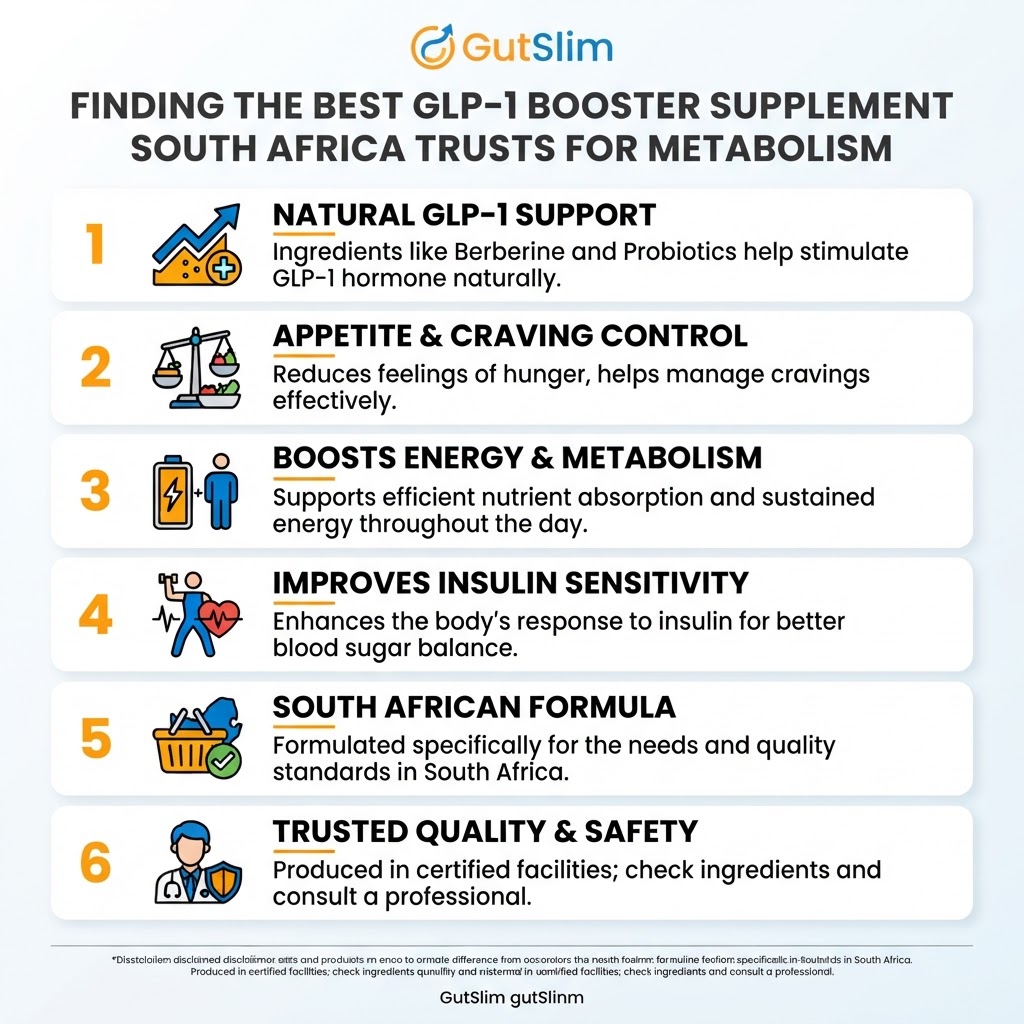
Infographic: glp-1 booster supplement south africa
Integrating Lifestyle and Nutrition for Maximum Metabolic Support
Supplements are most effective when they are treated as an addition to a nutrient-dense diet rather than a replacement for healthy habits. Eating a diverse range of plants, incorporating fermented foods, and staying hydrated are all essential steps that amplify the benefits of any metabolic support program. The interplay between your diet and your microbiome is a constant feedback loop that you can influence every time you eat. By focusing on whole, unprocessed foods, you provide the necessary substrate for your gut bacteria to produce the metabolites that facilitate healthy hormonal signaling.
Dietary fiber intake is a major driver of gut microbiota composition, which in turn influences the secretion of satiety hormones including GLP-1. — Makki et al., 2018, Cell Host & Microbe
The Role of Fiber in Satiety
Fiber is the primary fuel source for the beneficial bacteria in your colon. As these bacteria ferment fiber, they produce short-chain fatty acids, which play a crucial role in stimulating the production of GLP-1. By prioritizing high-fiber foods like legumes, oats, and cruciferous vegetables, you are directly supporting your metabolic health. A supplement acts as a partner to this fiber intake, ensuring that your microbial community has the right composition to utilize those nutrients effectively.
Movement as a Metabolic Catalyst
Regular movement also plays a significant role in managing metabolic health. Even simple activities like a brisk walk or gentle resistance training can assist in improving insulin sensitivity and supporting hormonal balance. Integrating these habits with a well-researched probiotic or supplement can create a robust foundation for your wellness. For further information on the broader scope of metabolic research, you may find the resources at https://www.niddk.nih.gov/ useful for understanding human metabolism in a clinical context.
Hydration and Metabolic Efficiency
Water is involved in every metabolic reaction in the body. Adequate hydration ensures that the nutrients you consume are efficiently transported and that the waste products of digestion are cleared. Dehydration can sometimes be mistaken for hunger, causing unnecessary strain on your metabolic system. By maintaining proper hydration, you allow your body to focus its energy on hormone production and regulation rather than struggling with basic physiological maintenance.
Common Myths About Metabolic Supplements
There is a lot of misinformation circulating regarding how metabolism can be managed, often leading individuals to look for shortcuts. It is important to remember that there is no single magic bullet for metabolic health. Many products claim to offer drastic results without any effort, which is rarely backed by credible science. A legitimate GLP-1 booster supplement in South Africa will always be presented with realistic expectations, emphasizing that it serves to support your body's existing biological processes rather than attempting to override them.
Why "Rapid" Solutions Are Often Counterproductive
Avoid products that claim to facilitate rapid, extreme changes in body composition, as these are often unsustainable and may not be safe. The metabolic system is designed for gradual adaptation; pushing it too hard with harsh stimulants can cause unwanted stress. True metabolic support is a long-term commitment that focuses on internal balance, inflammation reduction, and improved gut function. By staying grounded in scientific evidence, you can avoid common pitfalls and focus on the strategies that actually make a difference for your long-term health and wellbeing.
The Myth of Stimulants
Many "weight management" products rely on high doses of caffeine or other stimulants to artificially ramp up heart rate. These do not support metabolic health; rather, they mask underlying issues. Real metabolic support focuses on the biological efficiency of your gut and hormones, not on hyper-stimulating your nervous system. Look for clean, evidence-based formulas that do not rely on jitters to suggest "work" is being done.
Focusing on Biological Systems
The most effective metabolic tools are those that enhance the body’s natural rhythm. This means improving the way we digest, absorb, and store nutrients. When a supplement helps you feel more satisfied after a meal, it is because your biological signaling is functioning as intended. This is a much healthier and more sustainable approach than attempting to trick the body through restrictive measures or unnatural chemical stimulation.
The Safety and Efficacy of Natural Approaches
When considering a natural approach to your metabolic health, safety should always be the primary concern. Always prioritize products that are manufactured in facilities with high quality control standards. It is also beneficial to look for brands that are transparent about their research process and willing to engage with the scientific community. Always keep your primary healthcare provider informed about any supplements you are taking, as they can provide personalized guidance based on your individual medical history and current status.
The Importance of Clinical Research
Research continues to expand our understanding of how the gut-brain axis operates, providing more confidence in natural strategies. By leveraging these advancements, you can feel empowered to take a more active role in your own health journey. For those interested in exploring the scientific foundations of how our bodies react to gut-supportive probiotics, you can visit https://www.who.int/ for global guidelines on health and nutrition standards. Always prioritize products that reference peer-reviewed journals to support their claims.
Building a Relationship with Your Healthcare Provider
Your doctor or registered dietitian is a key partner in your health journey. Before starting a new supplement, discuss your goals and ask how the specific strains or ingredients might interact with your unique physiology. They can provide a framework for tracking your progress and ensuring that your chosen supplement is a safe and effective addition to your current routine. Open communication ensures that you are taking a responsible and science-backed approach.
Sustainability and Long-Term Wellness
True wellness is a marathon, not a sprint. The best natural approaches are those that you can maintain consistently for years. By focusing on gut health, you are investing in a system that governs everything from immune function to cognitive health. This holistic perspective makes metabolic support not just a weight-related endeavor, but a strategy for improving your overall quality of life and long-term vitality.
Your First Steps Toward Metabolic Balance
Taking charge of your metabolic health does not require a complete lifestyle overhaul starting tomorrow. The most sustainable changes are those made gradually and consistently over time. Begin by focusing on one simple, actionable habit that supports your gut health. For instance, you could add one extra portion of fiber-rich vegetables to your evening meal or commit to a gentle 15-minute walk after dinner to assist with digestion and glucose regulation. These small, deliberate choices send powerful signals to your gut and, over time, help optimize your metabolic function.
Setting Realistic Goals
When beginning your journey, set goals that are specific, measurable, and achievable. Instead of aiming for "better health," aim to increase your vegetable intake by one serving a week or to walk for 10 minutes every day. These micro-habits help build confidence and momentum. Over the course of a few months, these small changes compound into significant improvements in how you feel and function.
Incorporating Targeted Support
If you are ready to take a more targeted approach, our GutSlim Probiotics GLP-1 Booster is formulated specifically to support your gut-metabolic axis using the latest insights in probiotic science. This is designed to be a supportive tool in your journey toward better health, helping you maintain balance through high-quality, evidence-based ingredients. For more resources on how to start your transformation, browse our full range of products at https://www.velobiotics.com/collections/gutslim. Don't forget to sign up for the GutSlim newsletter at the bottom of our homepage to receive the latest updates, tips, and science-backed advice delivered straight to your inbox.
Staying Consistent
Consistency is the secret ingredient to any health transformation. There will be days when life gets in the way, but the key is to return to your foundational habits as soon as possible. Remember that your gut microbiome thrives on routine. By staying consistent with your fiber intake, your activity levels, and your chosen supplement support, you provide your body with the stability it needs to maintain long-term metabolic health.
Dr. Chomba Chuma
MD & Founder, GutSlim
Dr. Chomba Chuma is a medical doctor and gut health specialist with over a decade of clinical experience. As founder of GutSlim, she is on a mission to help people transform their health through the power of the gut microbiome.
Get gut-smart, one email at a time.
Science made simple, practical tips and member-only offers from GutSlim. No spam, unsubscribe anytime.
Related Articles



Ready to transform your gut health?
Take the free 2-minute Gut Archetype Quiz and discover your personalised protocol.
Take the Free Quiz →